Shop Menu
🚀 5% OFF Your First Order. Use Code FIRSTORDER5 🚀
Shop Menu
🚀 5% OFF Your First Order. Use Code FIRSTORDER5 🚀

If you spend your days around heavy mobile equipment, fixed plant or processing gear, you know that heat is both a by-product and a threat. That’s where thermal blankets come in – those tough, insulated covers wrapped around exhausts and other hot spots to keep temperatures in check. They’re a quiet line of defence against fires, equipment damage and energy loss.
The trouble is that they tend to vanish from the maintenance radar once they’re bolted or strapped in place. Out of sight, out of mind… until something fails. And when a blanket is worn, damaged or simply past its prime, the consequences can hit hard. We’ll look at what really happens when thermal blankets are neglected, share field examples and walk you through practical tips on inspection, lifecycle management and replacement. Whether you’re running a mine site, a processing plant or a fleet of heavy machines, you’ll get clear, actionable steps to keep people safe, extend equipment life and keep budgets intact.
Thermal blankets exist to keep surface temperatures in check., Their main purpose on mobile equipment, such as dump trucks, loaders, and excavators, is to keep exhaust system temperatures below the flashpoint of flammable fluids like hydraulic oil, fuel or lubricants. In the event of a leak, that temperature control can be the difference between a contained incident and a full-blown fire.
In fixed and processing plants, thermal blankets also reduce heat loss, improve energy efficiency and protect surrounding components from excessive heat exposure.
However, thermal blankets are not indestructible. Over time, they endure:
Eventually, even the best-made blanket will wear down as seams fray, insulation compresses, fasteners loosen and its protective value drops sharply.
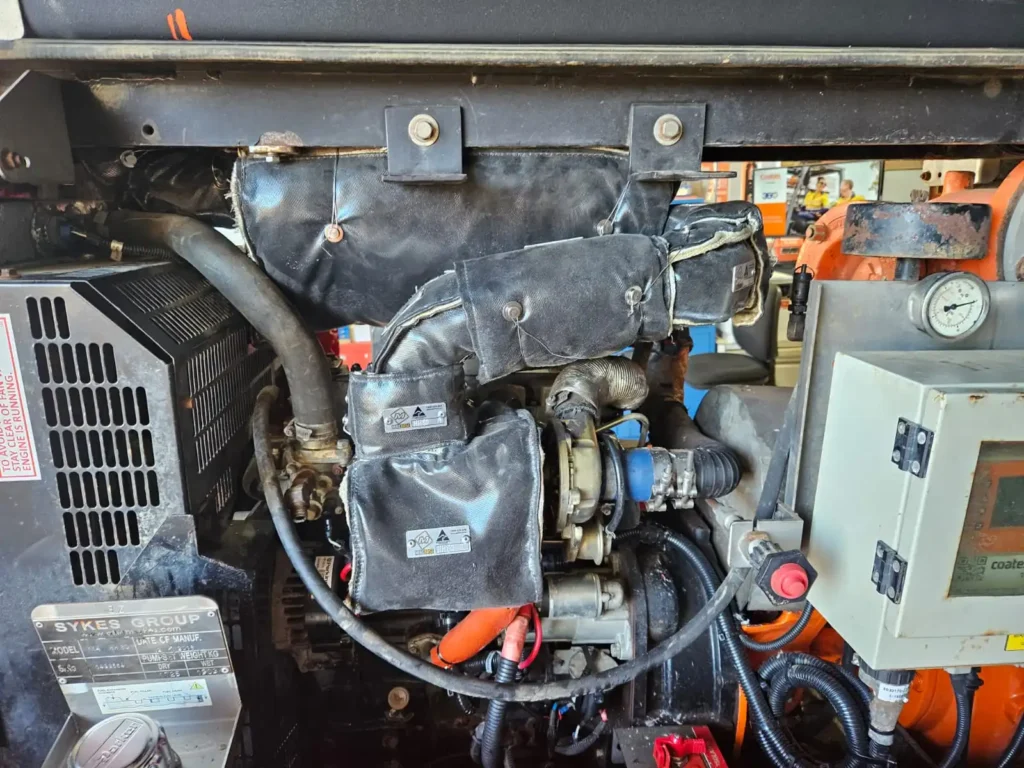
Understanding how wear develops helps you prevent it.
Case example: A haul truck developed a small hydraulic leak on a mine site in Western Australia. The hot exhaust manifold, normally shielded by a thermal blanket, was partially exposed due to a tear and missing fasteners. Hydraulic fluid sprayed onto the hot surface, igniting instantly. The resulting fire caused major downtime, expensive repairs and put operators at risk.
Lesson: Even a small section of exposed hot metal can create a flashpoint.
Case example: In a processing plant, worn blankets around a high-temperature pipeline allowed heat to radiate onto electrical cabling. Over several weeks, the cable insulation became brittle, eventually cracking and shorting out. The resulting shutdown halted production for nearly two days.
Lesson: Heat control isn’t just about fire prevention, it’s about protecting every component in the heat zone.
Case example: In a fixed plant boiler system, deteriorated insulation caused excessive heat loss. The plant’s heating system had to work harder to maintain temperature, driving up fuel consumption and operational costs.
Lesson: Worn blankets can create invisible inefficiencies that quietly eat into your budget.
Case example: In an underground loader, moisture from humid mine air mixed with dust and grease to accelerate the degradation of blanket stitching. A small hole exposed part of the turbocharger housing. While no fire occurred, IR scans showed dangerously high external temperatures in a confined space with limited ventilation.
Lesson: Environmental factors underground can accelerate wear dramatically.
Case example: On an offshore platform, salt spray corroded blanket fasteners within 18 months. The loose fit allowed heat to escape and damaged a nearby pressure sensor.
Lesson: Saltwater environments require more frequent inspections and corrosion-resistant fasteners.
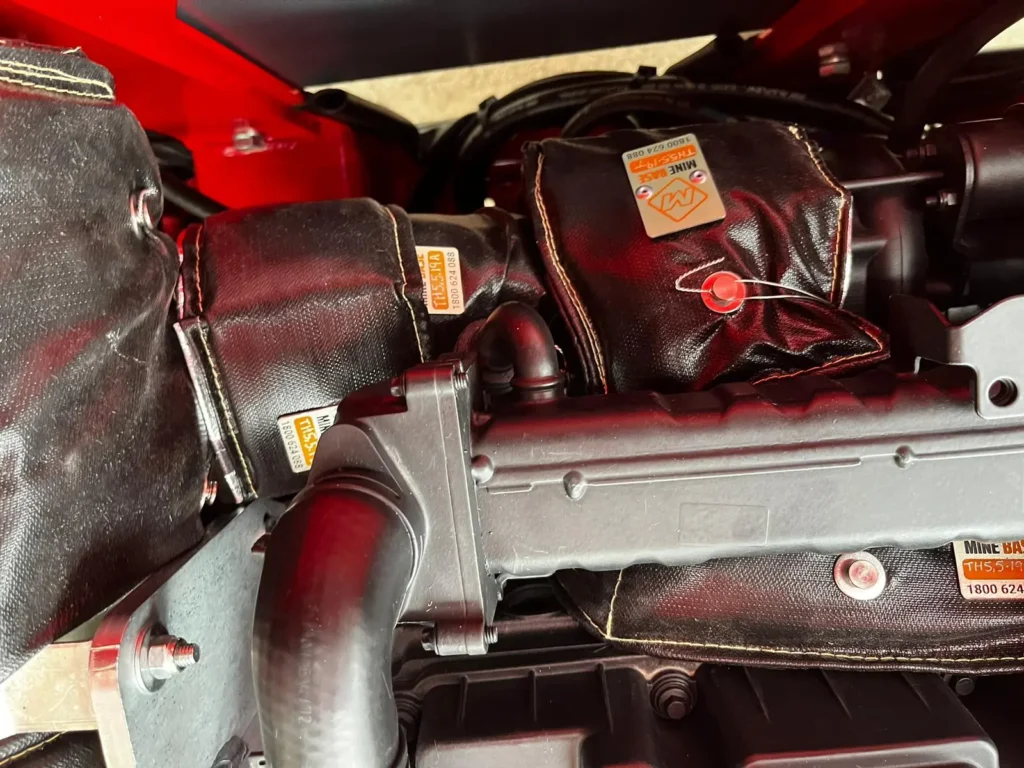
Golden rule: Avoid a “fit-and-forget” mindset. Treat blankets as consumable safety assets with planned replacement intervals.
Maintaining thermal blankets isn’t just about preserving equipment; it’s also about preventing fire hazards, protecting nearby components and keeping your operations running smoothly. A structured maintenance approach ensures blankets continue to perform at their best.
1. Inspect Regularly
Incorporate blanket checks into every scheduled service. Look for frayed seams, loose or missing fasteners, compressed insulation, scorching or staining. Early detection of minor issues can prevent major failures down the line.
2. Use Thermal Imaging
Infrared cameras help identify hot spots invisible to the naked eye. Recording these readings over time lets you track insulation performance and spot emerging problems before they escalate.
3. Check Fasteners and Fit
Straps, buckles and hooks must remain tight and corrosion-free. Replace any worn or damaged fasteners to ensure blankets maintain full coverage and a secure fit.
4. Consider Environmental Factors
Moisture, dust, chemicals and salt can accelerate wear. Adjust inspection and cleaning routines to suit your equipment’s environment, whether it’s underground, offshore or in a processing plant.
5. Keep Detailed Records
Track installation dates, inspection notes and condition trends for each blanket. Maintaining a clear record helps plan timely replacements and ensures consistent protection across all assets.
6. Replace on Schedule
Even the best-maintained blankets have a finite lifespan. Replace them according to manufacturer recommendations or sooner if damage is detected. Treat thermal blankets as essential, consumable safety assets to prevent costly downtime and maintain operational safety.
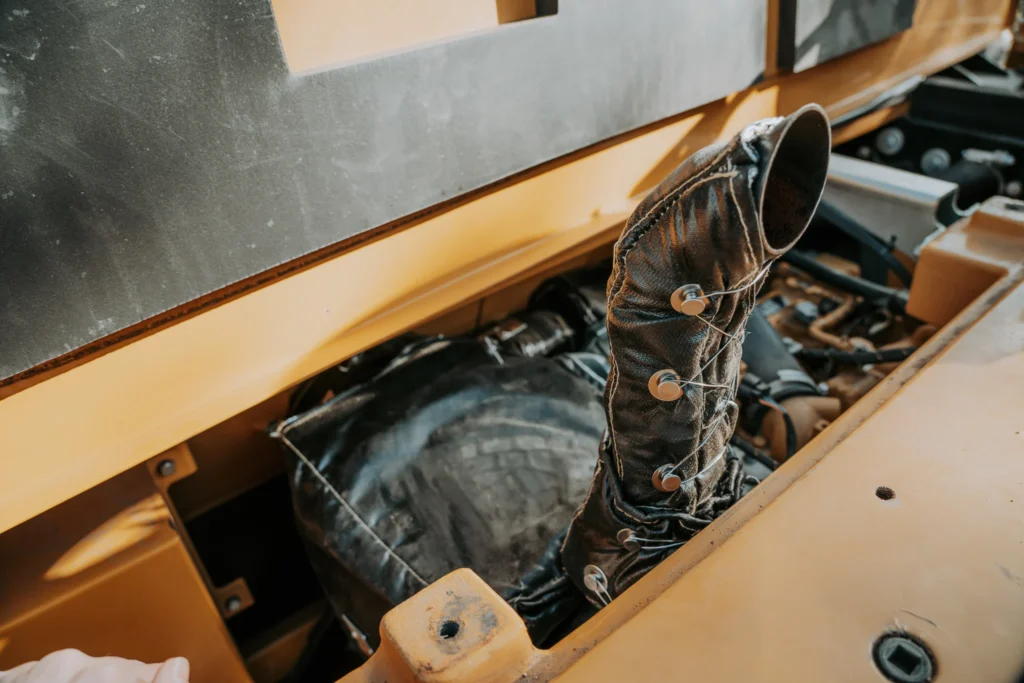
When a thermal blanket becomes worn, frayed or compromised, the damage often extends beyond the blanket itself, and the financial consequences can escalate quickly. Many mine and plant operators underestimate just how costly it can be to delay inspection or replacement.
A deteriorating thermal blanket can:
Real-World Example:
A mining operation in Queensland recently suffered a production halt when a hydraulic hose ruptured over an exhaust manifold without proper thermal protection. The resulting fire caused over $500,000 in damage and three weeks of downtime, all because a thermal blanket had been left in service well beyond its lifecycle.
The Takeaway:
The upfront cost of regular inspection and timely replacement is minor compared to the expense, danger and disruption caused by blanket failure. By recognising worn thermal blankets as more than just a maintenance issue but as a critical safety component, you safeguard both your equipment and your bottom line.
Replace immediately if you see:
Partial vs. Full Replacement:
Even the best inspection program fails without trained eyes. So it’s important to
In high-risk areas, especially around flammable fluids, custom-fit solutions can pay for themselves many times over by reducing fire risk.
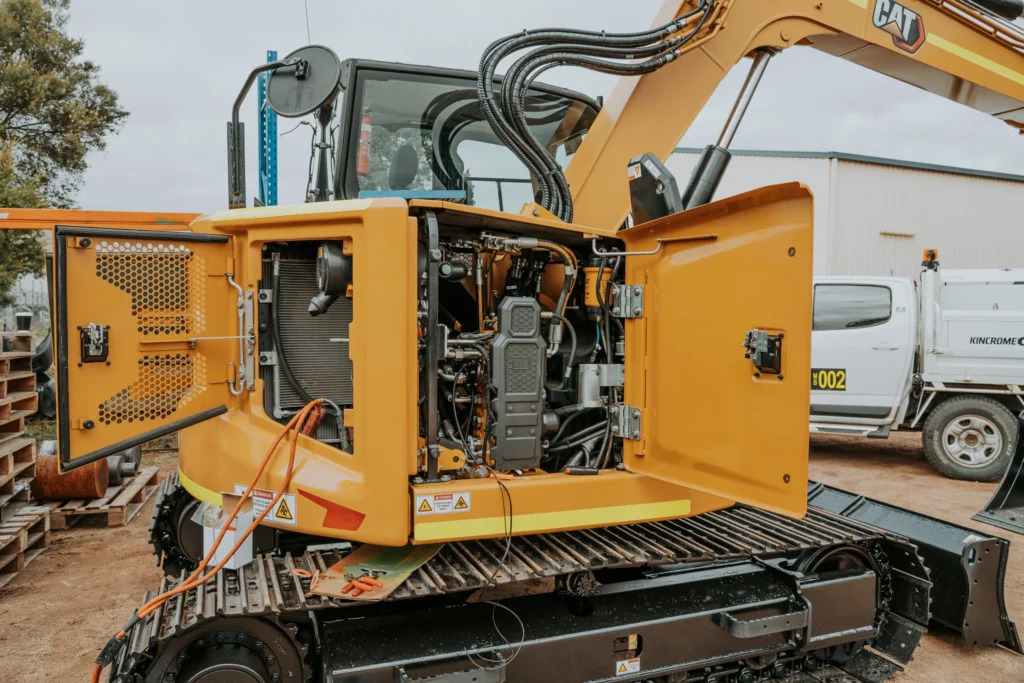
Thermal blanket technology is evolving fast, with new materials and innovative features designed to boost safety, compliance and ease of use on site. Here are some trends to stay on top of:
We’ve all heard of blankets being used on mobile plants to prevent fires, but have you considered where else they could enhance your operations?
A proactive approach to thermal safety keeps your crew protected and your equipment compliant. Follow these steps to avoid risks and ensure your site is ready for anything.
With decades of experience in high-performance insulation solutions, Advance Global supplies custom-engineered thermal blankets for both mobile and industrial applications. We design for the harshest environments, helping you reduce fire risk, protect components and improve efficiency.
Worn thermal blankets are easy to ignore until they fail. Don’t let a frayed seam turn into a fire or a loose strap cause a shutdown. Inspect them. Maintain them. Replace them before they become a hazard.
Your people, your equipment and your operation deserve nothing less.

Please enter your details and we will get back to you with a quote and freight cost.
