Shop Menu
🚀 5% OFF Your First Order. Use Code FIRSTORDER5 🚀
Shop Menu
🚀 5% OFF Your First Order. Use Code FIRSTORDER5 🚀
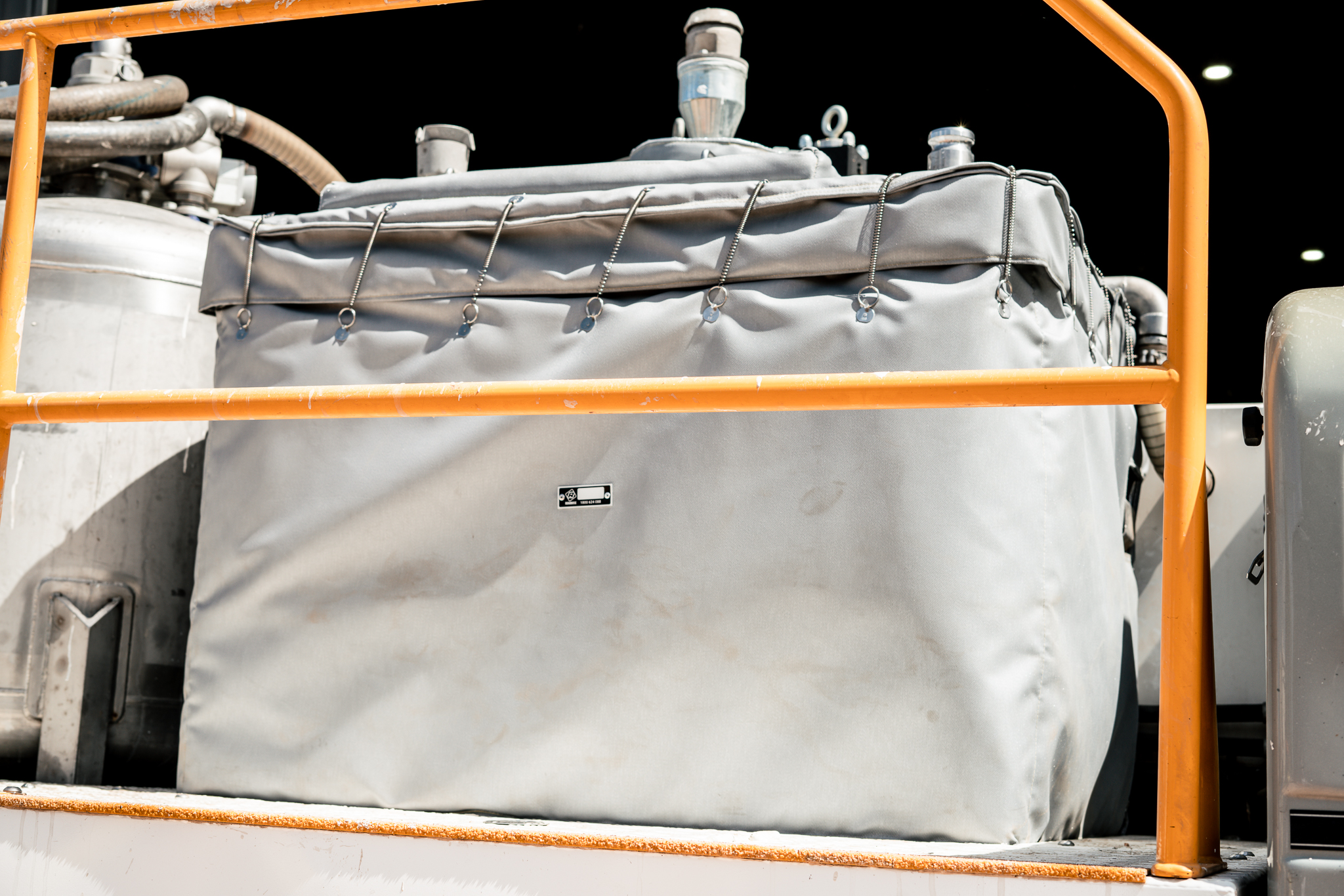
Thermal insulation blankets are widely recognised in the mining industry for one critical function: preventing fires on mobile equipment. In fact, for maintenance teams managing fleets of dump trucks, loaders, and excavators, insulation blankets are standard practice to reduce exhaust surface temperatures and prevent ignition in the event of hydraulic or fuel fluid leaks.
But what if these same blankets could do more than just mitigate fire risks?
Across Australia’s mining operations, there’s growing awareness that thermal insulation blankets can deliver operational, safety, and environmental benefits far beyond mobile plant. From fixed infrastructure to processing plants, these versatile, removable covers offer a proven way to improve efficiency, reduce downtime, extend equipment life, and support regulatory compliance without sacrificing ease of access for maintenance.
We explore how maintenance leaders, mine managers, and plant operators can tap into the full potential of thermal insulation blankets, using them not just as a fire safety tool but as a broader operational asset.
On mobile mining equipment, insulation blankets are primarily used to:
In high-risk areas like engine bays, a single leak near a hot exhaust component can lead to catastrophic consequences. Thermal blankets provide a critical layer of fire protection, especially when vehicles operate near combustible materials or in enclosed spaces like workshops or underground drives.
But while this application is vital, it’s also only part of the story. Many mine sites stop here unaware of the broader value these same blankets can provide in other areas of operation.
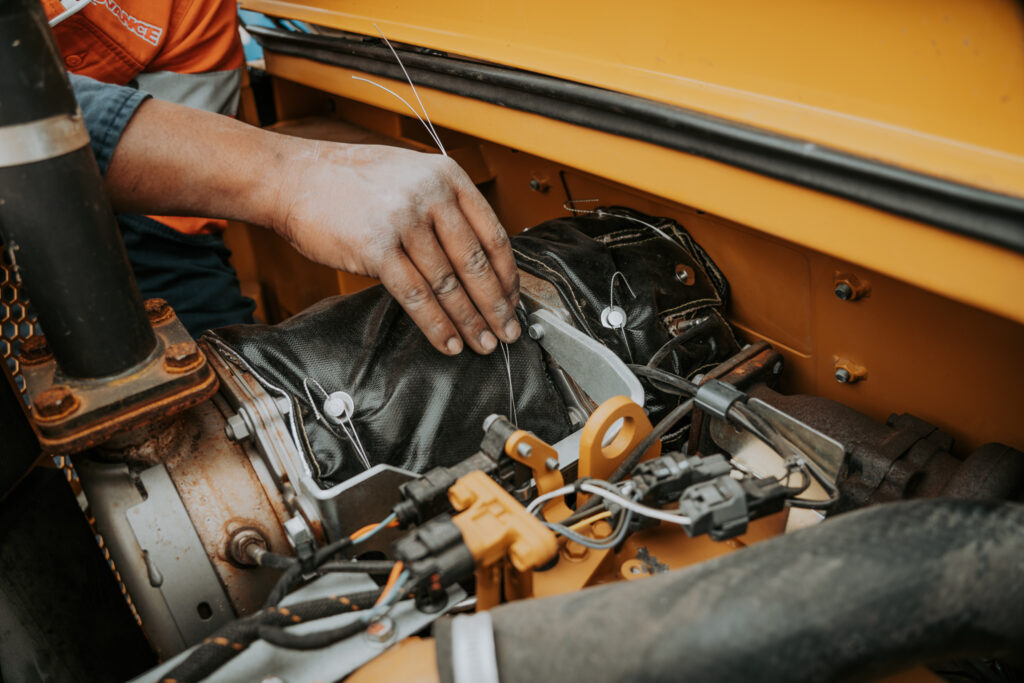
While fire prevention is the entry point, the same blanket technology used on mobile equipment has broader applications in fixed plant and processing environments. Here’s where mine managers, planners, and maintenance personnel can unlock additional value:
Thermal blankets applied to steam lines, tanks, and reactors help retain heat and reduce energy loss. This is especially relevant in:
Maintaining precise temperatures is crucial for product yield, chemical reaction consistency, and cycle times. Insulation reduces the fuel or power required to reach and maintain these setpoints, often delivering 5–15% energy savings over uninsulated systems.
Hot surfaces in processing plants or fixed installations can cause serious burns or injuries, especially during maintenance or inspections. Thermal blankets:
Condensation, thermal cycling, and surface exposure can cause premature wear and failure in unprotected assets. Thermal blankets:
Sites operating in Tasmania, New South Wales highlands, or elevated parts of Queensland may face sub-zero temperatures during winter. Blankets:
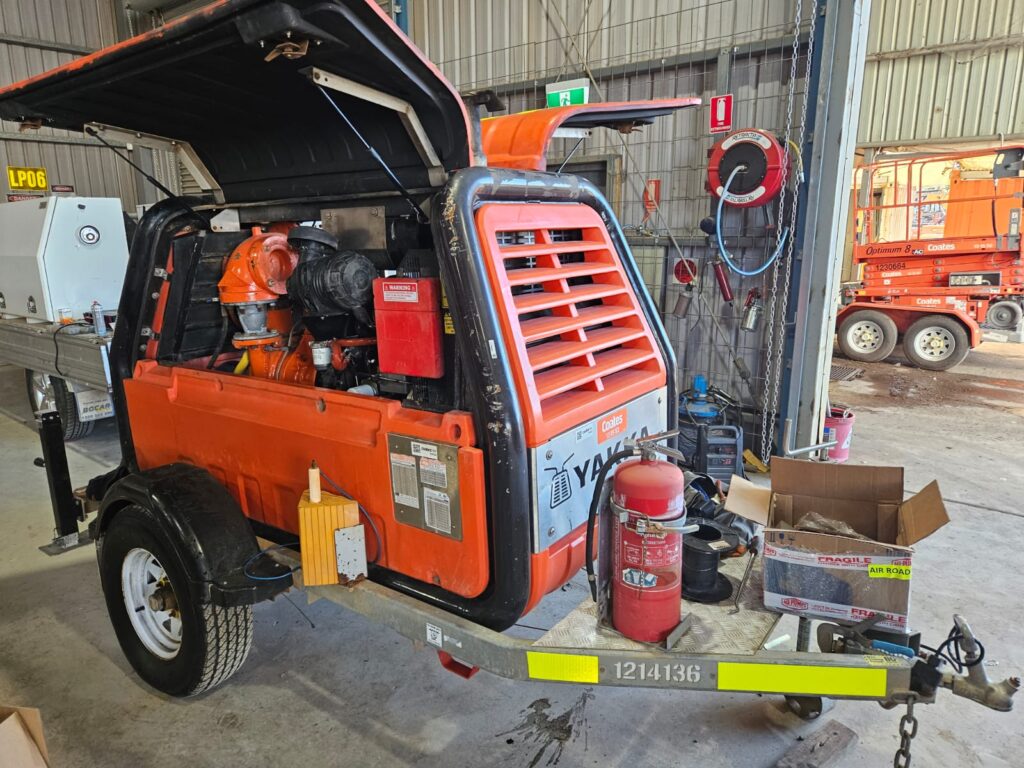
Here’s how leading Australian mine sites are expanding their use of insulation blankets:
Thermal insulation blankets used in mining environments need to be far more than just heat-resistant. Here’s what to look for when sourcing:
Advance Global supplies locally engineered blankets that meet all these criteria, tailored specifically for mining environments from mobile fleets to static process plants.
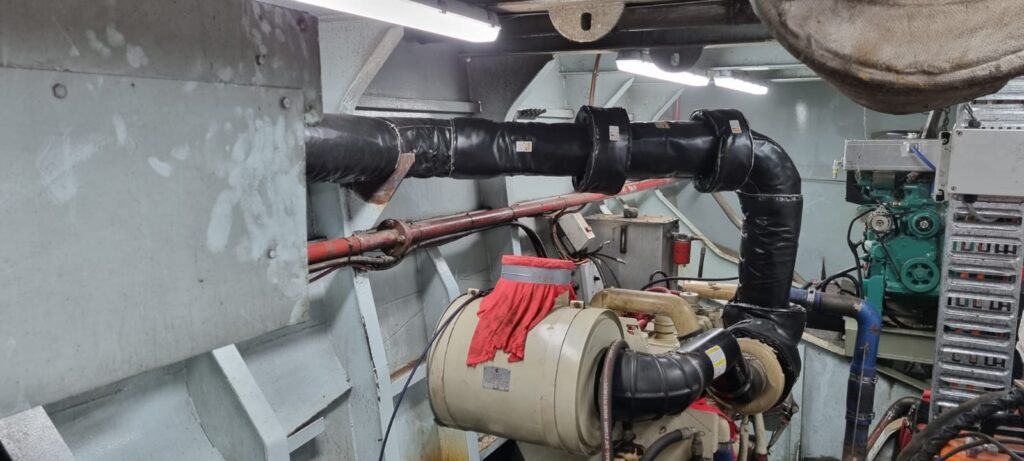
Insulation blankets don’t just improve safety they also help sites demonstrate compliance with a range of regulatory frameworks:
Using insulation blankets as part of a site-wide risk and efficiency strategy helps align with internal and external compliance audits, including those driven by investors and ESG frameworks.
One of the lesser-known benefits of thermal blankets is their impact on maintenance planning:
For planners and supervisors managing tight shutdown windows, thermal blankets can help shave hours off critical path work, especially around hot equipment or steam lines.
When it comes to choosing the right insulation for mining operations, the debate often comes down to rigid insulation panels versus flexible thermal blankets. While both offer thermal protection, their performance, installation, and long-term value differ significantly especially in the challenging conditions found on mine sites.
Rigid insulation is typically used for permanent, static applications. It’s designed to stay in place for the long haul, but it can be difficult to install, especially on irregular or curved surfaces. Accessing equipment for maintenance often means removing or destroying the rigid insulation, which increases downtime and replacement costs. Customisation is limited, and rigid panels are prone to cracking, degradation, and water ingress over time, especially in harsh Australian climates.
In contrast, flexible thermal blankets offer a fast, modular, and non-invasive installation. They are custom-made to fit any shape or surface, including pipes, flanges, engine bays, and heat exchangers making them ideal for mobile plant, dynamic equipment, and areas requiring frequent access. Thermal blankets are reusable, removable, and weather-resistant, which means they can be easily taken off for servicing and reapplied without damage.
For operations that involve regular maintenance or a mix of mobile and fixed assets, thermal blankets provide superior flexibility, minimal disruption, and better long-term ROI. They’re especially well-suited for sites looking to balance thermal efficiency with operational agility key for keeping production on track without compromising safety or energy performance.
Procurement teams looking to standardise insulation across site should consider:
Investing in quality blankets upfront can reduce repair costs, prevent incidents, and support continuous improvement programs across operations.
Thermal insulation may not be the first thing that comes to mind when thinking about ESG (Environmental, Social, and Governance) goals but it should be. As mining companies across Australia commit to reducing emissions and operating more sustainably, energy-efficient technologies like thermal blankets play a crucial supporting role.
As part of an integrated net-zero pathway, thermal insulation may seem like a small win but multiply that across hundreds of hot surfaces or heat-loss points across site, and the cumulative energy savings can be significant over a mine’s lifespan.
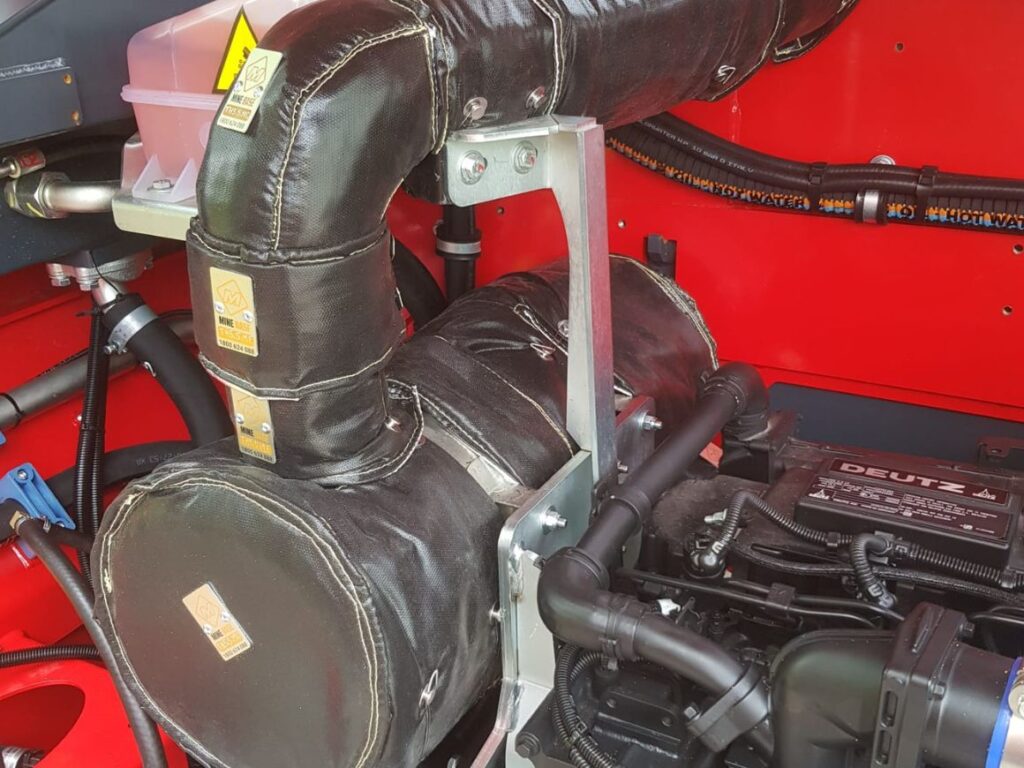
One barrier to widespread blanket adoption is operational familiarity. While mobile maintenance crews may be well-versed in installing engine exhaust wraps, teams responsible for fixed plant or processing gear might be less familiar with the product and its benefits.
A successful rollout across site starts with education and engagement:
Blankets aren’t just a product, they’re part of a process of continuous improvement. And when adopted with intent and supported by data, they can deliver long-term value far beyond their initial cost.
If your site is already using thermal insulation blankets on mobile equipment, you’re well-positioned to benefit even further. The same principles that protect against fires in trucks can be applied to boost performance, reduce costs, and enhance safety in your fixed infrastructure.
Mining is evolving towards smarter, safer, and more sustainable operations. Thermal insulation, once seen as just a fire safety tool, is now a strategic component of modern mine design and maintenance.
Advance Global is here to support that shift, offering custom-engineered insulation solutions designed for Australian mine sites above and below ground.

Please enter your details and we will get back to you with a quote and freight cost.
